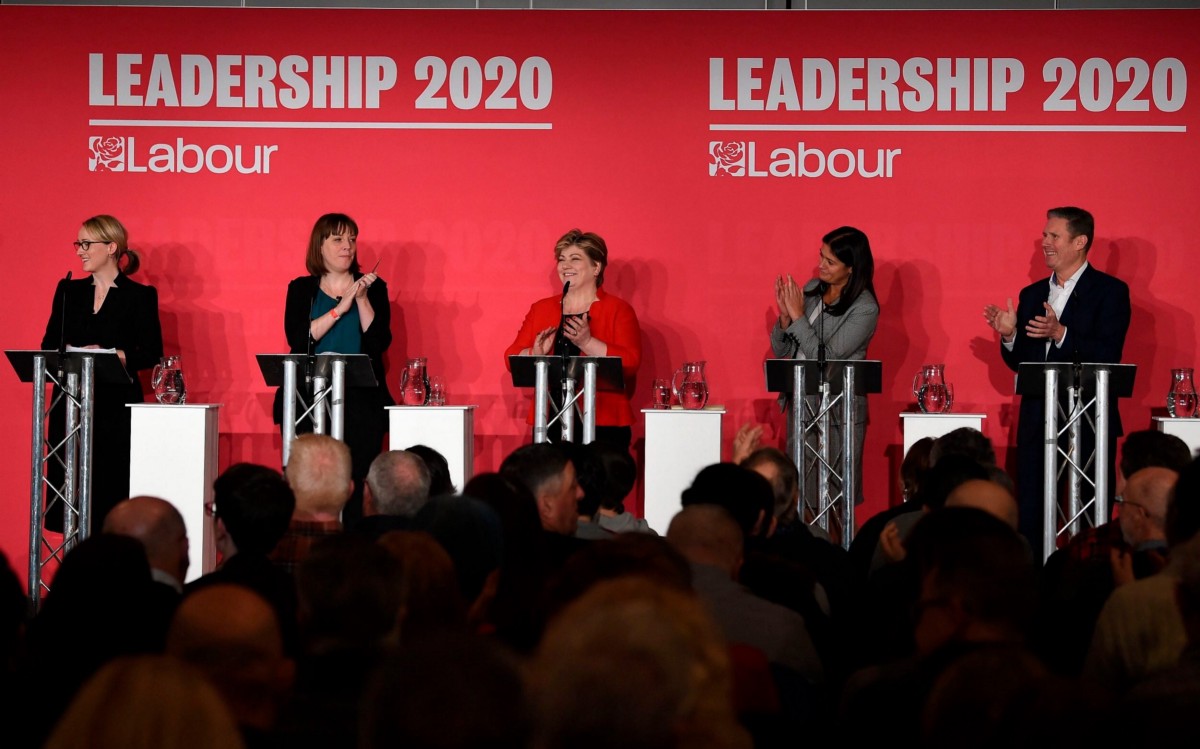
Keir Starmer’s pitch for the Labour Leadership so far has been mostly vague, trying to balance himself between the left and right of the party, while portraying himself as the sensible candidate. In keeping with this balancing act, his most vocal position so far has been a clear commitment to ending factionalism within the Labour Party.
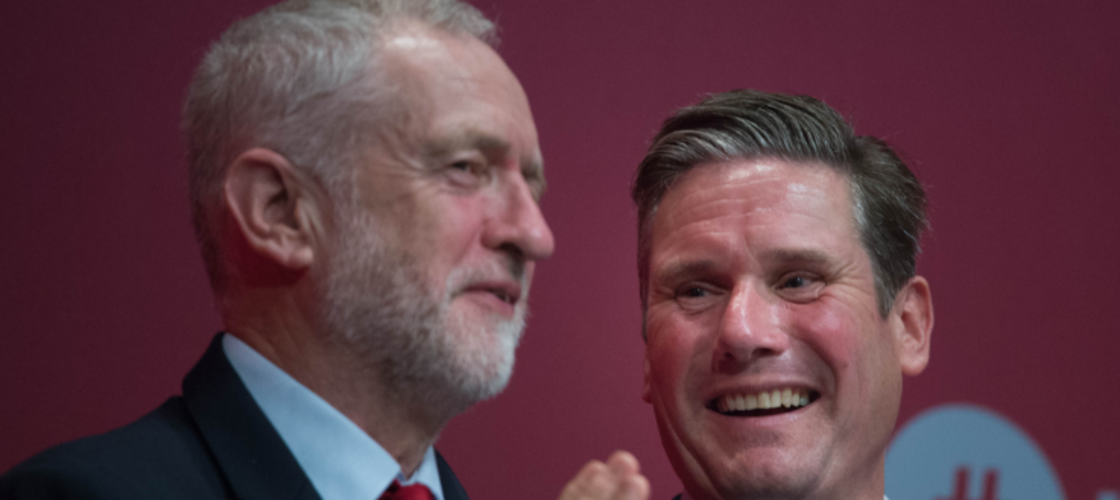
The Labour Party has been considered a factional dumpster fire since September 12th, 2015, with the Corbyn and Blair aligned elements basically at each other’s throats ever since, bringing about much turmoil and internal disputes that have been seen to rip the party apart.
It makes sense then, in the eyes of Starmer and his supporters, why stamping out factionalism would solve Labours internal problems, unite the party and send them sailing off to the horizon of electoral victory. However, I believe that it is not factionalism, but Labours inability to accept and accommodate its factions, that is the root of its political divides, for the preceding decades. In short, Labour needs to learn to love and embrace its factions if it wants to unite, not eliminate them.
Factionalism is not a new phenomenon under Corbyn, but it did give a voice to a group that had been marginalised for 30 odd years. Although the divisions of the 1980s are well documented, there’s much more historic strife between the two wings of the party, particularly with the 1955 Leadership contest between Bevan and Gaitskell. So, to begin with, leadership hopefuls need to stop pitching this debate within the prism of 2019 and Corbyn, as they unfortunately seem to be doing with most of the talking points, but as part of a larger context and theme within the party. Accept that we have deep rooted factions on all sides, that won’t just go away because you ask them to.
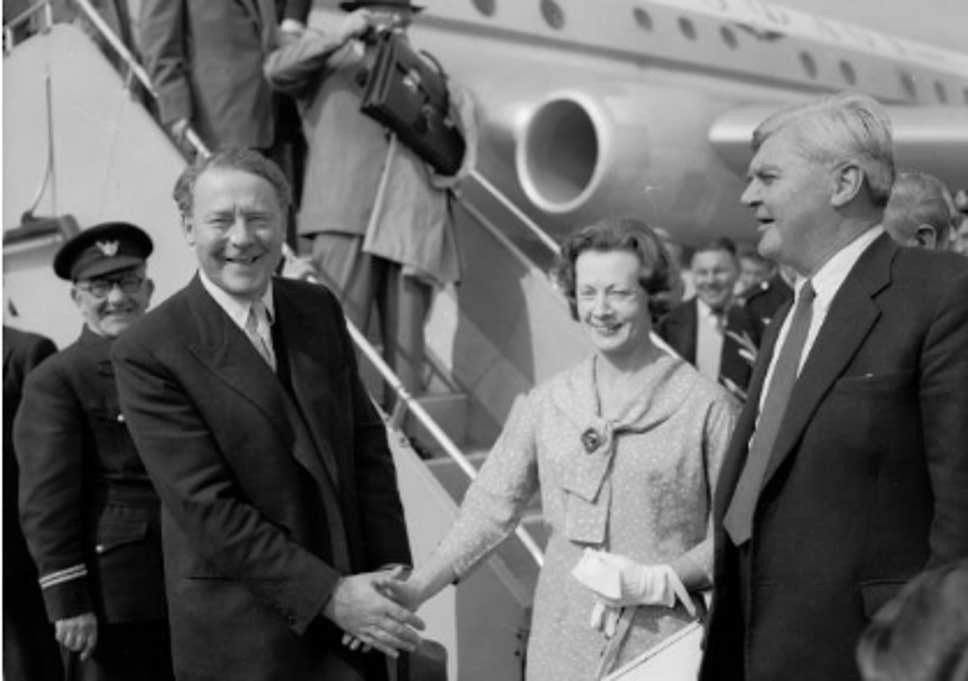
While the dominance of leftist factions of the early 1980s and under Corbyn are widely acknowledged, little is spoken of the dominance of the right and Progress under Blair’s premiership. Factions often seem cyclical with the leader; they crowd out and dominate the party when their 15 minutes of fame occurs.
To stop this self-defeating cycle of events, we can’t just ask for the factions to go away or be quiet, we must be proactive. That does not mean eliminating or domineering over factions, because that may result in short term results, but in reality it would just push the problem further down the line, when those factions have their time again, and they come seeking vengeance. No, to heal divisions and unite the party, the leadership must embrace all factions, value them and bring them all to the table.
The next leader must enact rules that prevent abuse and aggressive behaviour between members, even leading to full on suspension if necessary, while also being frank with the membership that all factions must be allowed to be brought to the table. The form with which that cooperation would take place I’m not sure, perhaps ensuring a place at the table for Momentum, Labour First and Open Labour in policy development, or even the NEC; either way, something can and must be done. This definitely doesn’t mean that policy or party direction would become a mish mash of competing ideas resulting in a shapeless blob, but it ensures constructive debate, allowing great policies to formulate, whether that be through compromise, different perspectives improving a certain sides ideas, or just one side winning outright. Whatever the outcome, it would ensure all factions feel valued — that it is not an incessant fight to the top of the ladder — and would probably create a better political environment, where the party does not become an echo chamber, with those on the outside trying to tear the house down.
What I hope Keir Starmer means, and what I believe he should be advocating for is the end of toxicity and abuse between members of the Labour party. But to do this, we must embrace factionalism, learn to love our differences and accept our factions, only that way can we end the cycle of abuse and unite, only that way can we move forward.
 Richard Baker